
Choose Bottled Water by Taste, Source, and Quality
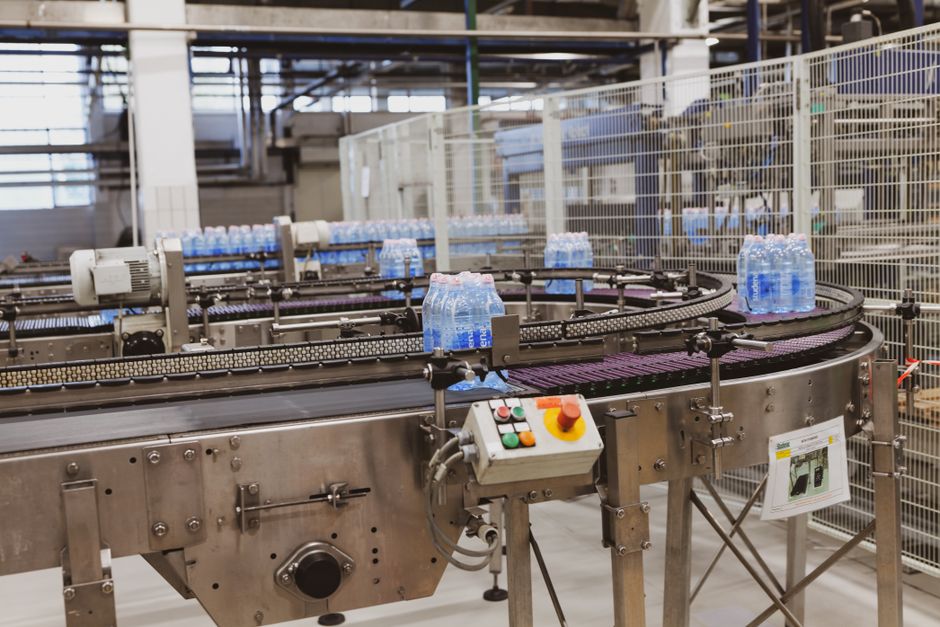
Choose bottled water by matching its taste and label to your needs, then verify the source, treatment, and quality details with the bottler. Mineral content helps explain taste, but no brand wins for everyone. Check the water type and source on the label, compare published quality information, and weigh packaging convenience against its lifecycle trade-offs.
Which bottled water tastes best?
The best-tasting bottled water is the one whose mineral profile and treatment suit your palate; there is no universal brand ranking. The U.S. Environmental Protection Agency (EPA) says taste and quality vary among and within brands, shaped by source quality, natural minerals, and treatment. Calcium and magnesium contribute distinctive flavor.
A study indexed by PubMed examined blind tastings of commercially available mineral waters and tap and bottled waters by trained panelists. Preferred samples in that study had moderate total dissolved solids (TDS) and relatively higher bicarbonate, sulfate, calcium, magnesium, and pH. Many panelists rated samples with higher sodium, potassium, and chloride lower. Those results describe the panel’s preferences, not a rule for every drinker.
Use mineral information as a clue, not a score. If a label or product page lists a mineral analysis, compare it across brands and note which profiles you enjoy. A water with a different composition can taste different even when both products meet applicable standards.
The EPA advises starting with the label for water type, source, and treatment. For fuller details, contact the bottler. Public information may not give a comparable mineral breakdown for every brand, so mark missing data as unknown rather than treating it as a quality defect.
What is the difference between spring water and purified water?
Spring water comes from an underground formation that naturally flows to the surface, while purified water is treated to meet a defined standard. The U.S. Food and Drug Administration (FDA) sets bottled-water standards of identity and quality, including contaminant limits, and requires sanitary manufacturing practices.
Under federal rules, spring water must originate from an underground formation that naturally flows to the surface; it is collected at the spring or from a borehole tapping the formation that feeds it. The federal regulation also says the spring location must be identified. The label term tells you about the source, not that the water is automatically better tasting.
Purified water is produced through treatment. The FDA describes distillation, reverse osmosis, or another suitable process as routes to a purified-water label. The regulation also recognizes deionization as a process. Some bottled water comes from municipal tap-water sources, so source and treatment are separate questions: one describes where water began, the other how it was processed.
Mineral water has a specific meaning. FDA and federal rules define it as water from a protected underground source with at least 250 parts per million of TDS. Its minerals and trace elements come from the source, with a constant level and relative proportions; minerals cannot be added later. The label category distinguishes it from spring, purified, distilled, and reverse-osmosis water.
These terms help shoppers compare unlike products without implying a simple quality ladder. FDA says bottled-water and public drinking-water standards are generally aligned, though some limits differ. Its example is lead: the bottled-water limit is 5 parts per billion, compared with 15 parts per billion for public water.
How can I find out where a bottled water brand gets its water?
Read the label first, then use the manufacturer, packer, or distributor contact details to ask for product-specific source information. The International Bottled Water Association says labels include the water type and responsible company information, often with a phone number or website.
Ask direct questions: What is the source for this specific product? What treatment is used? Is a mineral analysis or quality report available? A brand may sell multiple products, so request details for the exact water and package you are considering.
Do not assume a bottled-water company publishes the same Consumer Confidence Report required for public water systems. The association says bottled-water companies are not required to provide those reports, though companies may voluntarily provide product information. The EPA likewise recommends contacting the bottler when the label does not answer your questions.
Compare only what is disclosed. Put source, treatment, mineral details, and report availability side by side; use “not published” where a brand gives no answer. That makes a comparison useful without turning a missing detail into an unsupported claim about safety or quality.
How to compare the options
| Option | Who it suits | Cost | Key limitation |
|---|---|---|---|
| Spring water | Shoppers seeking water from a naturally flowing underground formation | not published | Source must be identified; the label does not establish a universal taste preference |
| Mineral water | Shoppers comparing naturally sourced mineral content; at least 250 ppm TDS | not published | Mineral levels can affect taste, and preferences vary |
| Purified water | Shoppers looking for water treated by processes such as distillation or reverse osmosis | not published | Source may differ; treatment and source details require label or bottler information |
| PET packaging | Shoppers weighing the commonly used bottled-water packaging format | not published | Environmental impact depends on reuse, recycling, energy mix, and distribution distance |
| Glass packaging | Shoppers comparing a reusable package option | not published | Environmental comparison depends especially on reuse frequency and distribution distance |
Packaging: convenience and trade-offs
Packaging does not tell you whether water is spring, mineral, or purified; read the water description separately. For convenience, compare the formats available for the product you want, but the provided sources do not establish a general price difference or rank their practical ease.
A 2023 peer-reviewed review in Sustainability examines impacts across production, packaging, transport, use, and disposal. It reports that most bottled water is sold in PET containers. It also stresses that packaging comparisons depend on reuse, recycling rates, energy mix, and distribution distance.
Glass has no automatic environmental win. The review identifies the number of times a glass bottle is reused and its distribution distance as key comparison factors. The full lifecycle picture has knowledge gaps, so a fair comparison needs context rather than a material name alone.
Frequently Asked Questions
Does mineral content change the taste of bottled water?
Yes. The EPA identifies calcium and magnesium as minerals that contribute distinctive flavor, and research links mineral composition with taste differences. Panel preferences in one study do not establish a universal ranking, so personal preference still matters.
Where can I check a bottled water brand's quality report?
Start with the label and the brand’s website or customer-service contact. Bottled-water companies are not required to provide the same Consumer Confidence Reports as public water systems, though they may share product information voluntarily.
Is bottled water in plastic different from bottled water in glass?
The packaging material alone does not tell you the water’s source, treatment, or mineral content; check the product label for those details. Environmental comparisons depend on factors such as reuse frequency and distribution distance, so glass and PET do not have one context-free ranking.
Sources
- U.S. Food and Drug Administration, Bottled Water Everywhere: Keeping It Safe
- Electronic Code of Federal Regulations, 21 CFR § 165.110
- U.S. Environmental Protection Agency, Bottled Water Basics
- Platikanov et al., “Influence of minerals on the taste of bottled and tap water”
- International Bottled Water Association, Labeling & Source Information
- Parag, Elimelech, and Opher, “Bottled Water: An Evidence-Based Overview of Economic Viability, Environmental Impact, and Social Equity”
Keep reading

What Can I Eat for a Quick, Filling Breakfast?
Build a quick, filling breakfast with protein, fiber, and easy swaps for no-cook, microwave, savory, and plant-based mornings.
How Should You Cool, Store, Freeze, and Reheat Leftover Rice?
Cool rice quickly, refrigerate it promptly, and reheat it safely. Compare rice-specific UK guidance with general USDA leftover limits.