
Can Eating Tomatoes Cure Cancer?
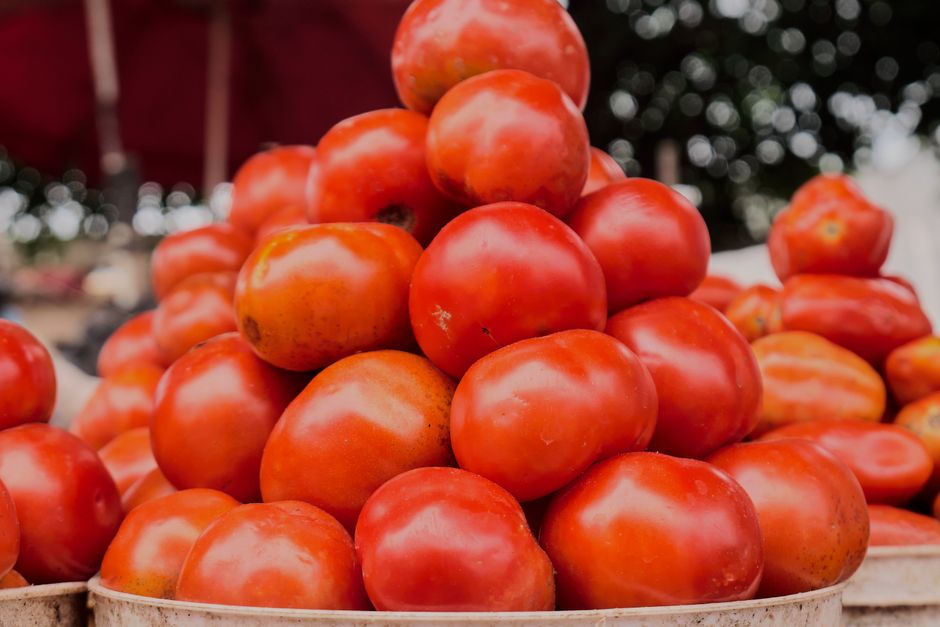
No. Tomatoes and lycopene do not cure cancer, and no food has been proven to slow cancer, cure it, or stop it from returning. Tomatoes can be part of a balanced eating pattern, and processed tomato foods deliver lycopene in a form the body uses more easily. The evidence on lycopene and cancer prevention remains mixed, not conclusive.
Can eating tomatoes cure cancer?
No. The National Cancer Institute states that no nutrition trend, individual food, vitamin, mineral, supplement, herb, or combination has been proven to slow cancer, cure it, or keep it from coming back.
That sentence draws a clean line. A tomato is food. Cancer treatment is medical care. The line matters because a true fact about a nutrient can become a false promise when it is stretched too far.
Lycopene is a carotenoid found in tomatoes and other foods. Tomato-based products are its main source in the United States, according to the National Cancer Institute. This explains why tomatoes appear so often in cancer discussions. It does not turn them into a cure.
Laboratory studies can test a substance in tumor cells. People are not tumor-cell dishes. The National Cancer Institute says cancer outcomes in people require clinical evidence, and notes that many prostate-cancer complementary-medicine studies used PSA, a weaker outcome than new cases, tumor size, or recurrence.
A food can support eating well without treating a disease. Those are different claims. One belongs on a dinner plate; the other requires proof from clinical research.
Does lycopene prevent prostate cancer or other cancers?
No firm answer exists. The National Cancer Institute concludes that there is not enough evidence to know whether lycopene can prevent or treat prostate cancer, because population studies and clinical trials have produced mixed results.
One large prospective analysis gives the caution real weight. The National Cancer Institute Cancer Data Access System reports that, after an average of 4.2 years of follow-up, the Prostate, Lung, Colorectal, and Ovarian Cancer Screening Trial identified 1,338 prostate-cancer cases among 29,361 men. Lycopene intake was not associated with prostate-cancer risk, and the study concluded that greater lycopene or tomato-product consumption did not protect against prostate cancer.
A 2017 systematic review tells a narrower story. The review in Prostate Cancer and Prostatic Diseases combined 42 studies with 43,851 prostate-cancer cases and 692,012 participants. Higher dietary and circulating lycopene levels were each associated with a relative risk of 0.88 for prostate cancer.
Association is not proof. People with higher lycopene levels can differ in many ways from people with lower levels. The same 2017 review found no reduced risk of advanced prostate cancer and called for more work on causality. A lower number in an observational study is a clue. It is not a treatment claim.
| Evidence type | What it can show | What it cannot establish |
|---|---|---|
| Laboratory study | How a substance acts in tumor cells | That eating the food cures cancer in people |
| Observational study | Links between diet patterns and disease outcomes | That lycopene itself caused a lower risk |
| Clinical evidence | Whether an intervention changes outcomes in people | A guarantee for every person |
The practical reading is plain: tomatoes fit inside cancer-prevention dietary guidance, but no source here supports treating them as a shield against prostate cancer or any other cancer.
Are cooked tomatoes healthier than raw tomatoes for lycopene?
For lycopene availability, processed tomato products have an edge over raw tomatoes. The National Cancer Institute says lycopene is easier for the body to use from processed products such as tomato paste and puree than from raw tomatoes.
This is an absorption point, not a cure point. A sauce, puree, or paste can supply lycopene in a more available form. That does not mean raw tomatoes lack value, nor does it mean more lycopene guarantees lower cancer risk.
Food patterns matter more than a single ingredient. The American Cancer Society describes a balanced pattern built around whole grains, beans, vegetables, fruits, and more fish, chicken, and plant-based proteins while limiting red and processed meats. It also says the best way to get antioxidants is through whole foods rather than supplements.
That distinction guards against a common leap: if a tomato contains an antioxidant, an antioxidant pill must do more. The American Cancer Society says studies of antioxidant supplements have mostly shown little to no cancer-risk benefit, and some have found higher risk among supplement users. Food is not a drug delivery system.
Cooked or raw is the smaller question. The larger question is whether a claim asks food to do a job that evidence assigns to treatment.
Frequently Asked Questions
Should I eat tomatoes while receiving chemotherapy?
Tomatoes have no special proven role in chemotherapy, and treatment side effects can make adequate eating difficult. The American Cancer Society says nausea, diarrhea, mouth sores, and taste changes can affect nutrition. The National Cancer Institute advises patients to discuss a diet, herbs, and supplements with their doctor, nurse, or dietitian before making changes.
Why do social media posts claim tomatoes kill cancer cells?
Such posts often turn a laboratory result into a claim about people. The National Cancer Institute distinguishes studies in tumor cells from clinical evidence of cancer outcomes in people. A substance that affects cells in a lab has not been shown by that result to cure cancer in a person.
Can a cancer diet replace medical treatment?
No. The National Cancer Institute states that no nutrition trend, food, vitamin, mineral, supplement, herb, or combination has been proven to slow cancer, cure it, or prevent its return. Some supplements can also change how treatment works, so food claims do not replace medical care.
Sources
- National Cancer Institute: Prostate Cancer, Nutrition, and Dietary Supplements
- National Cancer Institute: Diets and Dietary Supplements
- National Cancer Institute Cancer Data Access System: Lycopene and Prostate Cancer Risk
- Prostate Cancer and Prostatic Diseases: Lycopene and Prostate Cancer Meta-Analysis
- American Cancer Society: Diet, Physical Activity, and Cancer Risk
- American Cancer Society: Benefits of Good Nutrition During Cancer Treatment
Disclaimer: This article is for general information only and is not medical advice. It is not a substitute for diagnosis or treatment by a qualified healthcare professional. Always speak to your doctor before acting on anything you read here.