
What Does a Commercial Fire Inspection Cover, and How Do You Prepare?
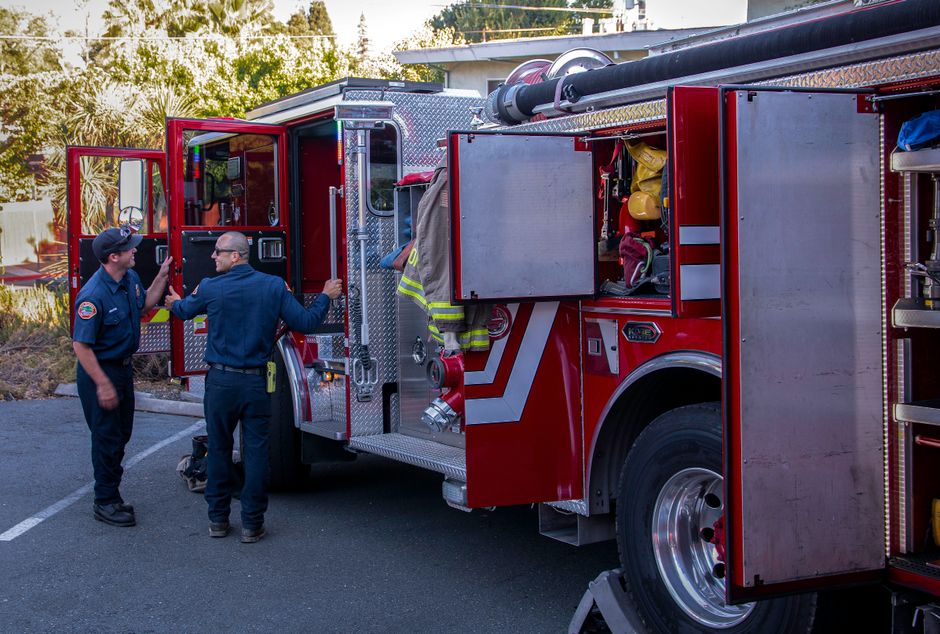
A commercial fire inspection checks whether people can exit safely, fire protection equipment is accessible and maintained, and the property meets the requirements that apply to its use and location. Prepare by clearing egress routes, checking visible equipment and records, and assigning responsibility for repairs. If the inspector cites deficiencies, document each one, arrange qualified service where required, and meet the correction deadline in the inspection report.
What does a fire inspector check in a small business?
A fire inspector checks exits, emergency lighting, fire lanes, alarms, sprinklers, extinguishers, permits, and maintenance records, with the exact scope shaped by the business and local requirements. Think of the inspection as a practical test of access, readiness, and proof: can occupants get out, can responders reach equipment, and can you show that systems are being maintained?
The City of Colorado Springs lists exits, emergency lights and signs, fire lanes, and fire alarm and sprinkler inspection, testing, and maintenance records among the items inspectors may review. Operational permits can also matter. A business with high-piled or rack storage, hazardous materials above code thresholds, or a large occupancy may face a different inspection type or frequency than a lower-hazard operation.
Expect attention to ordinary access problems as well as system condition. The Moreno Valley and Riverside County Office of the Fire Marshal checklist flags blocked or locked exits, inaccessible extinguishers, electrical hazards, improperly stored hazardous materials, and combustible storage in mechanical or electrical rooms. It also says extinguishers should be accessible, tagged by a licensed fire protection contractor within the last year, and within 75 feet of travel.
Specific requirements vary by jurisdiction. For example, the California checklist calls for 90 minutes of backup power for exit signs and egress illumination under the cited California Fire Code provisions. It also calls for commercial-kitchen hood suppression systems to be serviced at least every six months, with hoods and ducts kept free of grease accumulation. Use your local fire authority’s checklist as the controlling preparation guide; a checklist from another city can help you spot issues, but it does not establish your local rules.
How do I prepare my commercial property for a fire marshal inspection?
Prepare by walking the property, checking what staff can verify safely, gathering records, and booking qualified service for systems that require it. A short, documented pre-inspection routine makes deficiencies easier to catch before they appear in an official report.
- Walk every exit route. Check that exits are clear and unlocked, exit signs are visible, and emergency lights operate. Keep storage and equipment out of paths of egress.
- Check access to fire equipment. Make extinguishers, sprinkler controls, fire department connections, electrical panels, and fire lanes accessible. Calimesa’s business checklist highlights blocked panels, obstructed exits, and inaccessible sprinkler equipment as issues to watch for.
- Review visible hazards. Look for exposed wiring, extension cords used as permanent wiring, combustible storage in electrical or mechanical rooms, and improperly stored hazardous materials. Staff can identify and report these conditions; electrical or fire-system repairs should go to qualified service providers.
- Collect current records. Keep inspection and maintenance documents for applicable alarms, sprinklers, standpipes, extinguishers, and kitchen hood systems available. California’s checklist says system records should be available to fire officials. California regulation also requires owners of covered automatic fire-extinguishing systems to retain testing and maintenance records on the premises for five years after the next required test or maintenance.
- Confirm ownership of each task. Check the lease, local code, and service contracts to establish who arranges inspections, authorizes repairs, and stores reports. Send a written assignment such as: “Please confirm who schedules the sprinkler service and where the latest report is kept.”
Do not assume one schedule applies to every building. The Calimesa checklist calls for annual checks of several systems and six-month checks of kitchen hood systems, while Colorado Springs says inspection frequency and type depend on operations and hazards. Verify the schedule with your local fire authority and qualified provider. The Moreno Valley checklist notes that building owners are responsible for fire-protection-system maintenance under the guidance it provides.
What are the most common fire inspection violations?
Common violations include blocked or locked exits, obstructed extinguishers or sprinkler equipment, electrical hazards, unsafe storage, and missing or out-of-date system documentation. The details depend on the occupancy and local code, so treat recurring checklist items as a starting point—not a complete list.
Both the Moreno Valley/Riverside County checklist and Calimesa’s business checklist call attention to egress and equipment access. Calimesa also identifies blocked electrical panels, exposed wiring, extension cords used as permanent wiring, and combustible storage. In buildings with sprinklers, its checklist advises keeping storage at least 18 inches below sprinkler heads; for buildings without sprinklers, it lists 2 feet below the ceiling. These are jurisdiction-specific checklist instructions, so confirm what applies to your property locally.
Kitchen operations add another inspection track. Grease accumulation in hoods and ducts and overdue hood-suppression service can create deficiencies. The Moreno Valley checklist specifies service at least every six months. Use a qualified provider for required system work rather than treating a staff visual check as a substitute for inspection or maintenance.
When an inspector identifies a deficiency, turn the report into a closeout list. Record the exact item and location, the person responsible, any service provider, the target date, and evidence that the correction is complete. The California regulation for covered automatic fire-extinguishing systems requires appropriately licensed personnel for testing and maintenance, subject to stated exceptions; deficiencies found during service must be corrected promptly, and a tag or label may be affixed only after correction. It also calls for a written report to the owner and local fire authority, and an initial written repair estimate before repair work begins.
Follow the inspection report’s correction time and reinspection instructions. Colorado Springs says unresolved violations are documented in a report, with reasonable correction time and a reinspection date; failure to correct them in time may result in reinspection fees or a court summons. If a deadline is at risk, contact the fire authority promptly and keep a record of the communication and repair status.
Frequently Asked Questions
Who is responsible for arranging fire system inspections—the tenant or landlord?
The answer depends on local code and the lease. Virginia’s code generally assigns building and system maintenance to the structure owner unless responsibility is specifically expressed or implied to belong to the tenant or occupant. Review the locally adopted rules and lease, then confirm in writing who schedules service and keeps records.
What happens if a business fails a fire inspection?
The inspector may document violations and give the business reasonable time to correct them, along with a reinspection date. In Colorado Springs, failure to correct violations in time may lead to reinspection fees or a court summons. Follow the report’s instructions and contact the local fire authority if the deadline or correction process is unclear.
Sources
- City of Moreno Valley / Riverside County Office of the Fire Marshal, Business Owner Pre-Fire Inspection Checklist
- City of Colorado Springs, Division of the Fire Marshal
- City of Calimesa Fire Department, Fire Inspections for Businesses
- Virginia Administrative Code, 13VAC5-63-470
- California Code of Regulations, Title 19, Section 904.2, Testing and Maintenance Requirements
Keep reading
Electric vs. Propane Forklifts: Compare Five-Year Costs and Fit
Compare electric and propane forklift costs, runtime, ramp suitability, ventilation, and charging needs before buying for a small warehouse.