
Electric vs. Propane Forklifts: Compare Five-Year Costs and Fit
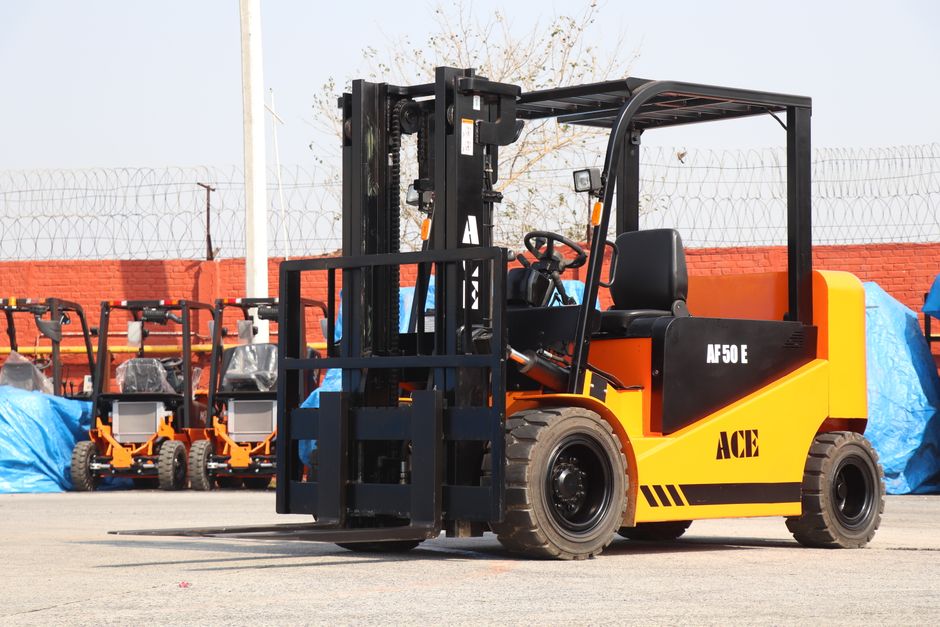
Electric forklifts cost more upfront in EPRI’s example, but purchase price alone does not settle five-year ownership cost: energy, maintenance, operating hours, and battery needs matter. Electric suits indoor work where ventilation is limited; propane needs adequate ventilation and may suit operations needing refueling flexibility. Compare local rates, ramp ratings, shift demands, and charging plans before choosing.
Is an electric or propane forklift cheaper to own over five years?
There is no universal five-year winner; the answer depends on your operating hours, local energy prices, and operating-and-maintenance costs. The Electric Power Research Institute’s (EPRI) calculator compares lifecycle costs across electric, propane, diesel, and gasoline equipment using those inputs. That makes it a better starting point than comparing sticker prices alone.
EPRI’s example capital costs are $34,400 for electric equipment and $24,200 for propane. The electric figure includes the forklift, two batteries, and a conventional charger, so it is not a bare-truck comparison. Those are example inputs, not a current quote or a guaranteed five-year result.
The calculator’s energy prices reflect 2019 state and national averages. Before relying on its result, replace those assumptions with current local electricity and propane rates, your expected annual hours, and the maintenance costs you can substantiate. If your shifts require extra batteries or a different charger, include those requirements in the equipment quote and comparison.
Use this decision sequence: first compare the complete purchase package, then enter local energy costs and expected utilization, then check the maintenance assumptions. A lower initial price may not mean a lower lifecycle cost, but the provided data do not establish which fuel will win for your warehouse.
Can an electric forklift handle repeated trips up a loading-dock ramp?
An electric forklift can handle a ramp only if the specific truck’s rated gradeability suits the ramp, load, and operating conditions; do not decide from the power source alone. BYD’s ECB16 and ECB18 specifications list maximum gradeability of 20% and 18%, respectively. Those figures illustrate model variation, not a general rating for electric forklifts.
Ask the supplier to confirm the truck’s rating for your actual use, including the load carried up the ramp. The listed maximum is a specification for that model, not proof that a given truck is appropriate for every ramp or repeated loaded trips. OSHA also notes that heavy loads drain electric forklift batteries more quickly, so ramp work can affect both suitability and shift planning.
Propane also needs to be assessed against the workplace rather than assumed to be the automatic ramp choice. OSHA says internal-combustion trucks can create indoor air-quality hazards and must not operate in a warehouse without adequate ventilation. Cold weather and closed doors or windows can increase the risk of exhaust gases concentrating indoors. OSHA recommends considering battery-powered trucks in poorly ventilated spaces and using carbon-monoxide monitors to detect exposure.
Before buying, give the dealer the ramp conditions, expected load, number of trips, shift pattern, indoor ventilation conditions, and whether the truck will work outdoors. Ask for a model-specific suitability review and battery runtime estimate for that application.
How long can an electric forklift run before it needs charging?
Plan on an electric forklift designed for one shift, then charging during the next shift or overnight, unless your specific battery and operating plan support another arrangement. OSHA describes that typical pattern and notes that some operations instead swap in a charged battery. Heavy loads can shorten battery run time.
Battery technology and use matter. Argonne National Laboratory’s 2008 report says lead-acid batteries typically provide enough power for one eight-hour shift, or five to six hours of constant use. It also describes about eight hours for charging followed by about eight hours of cooling. For continuous 24/7 operation, the report says an operation may need three batteries per forklift. This is historical guidance, not a current quote or a universal runtime guarantee.
Lithium-ion specifications can look different, but apply only to the stated model and application. BYD lists a 21.6 kWh lithium iron-phosphate battery and a 1.3-hour charging time for its ECB16 and ECB18 models. The manufacturer advertises up to seven hours of operation per one-hour charge, while cautioning that runtime and charging rates vary by model, charger, and application. Treat that as a model-specific claim to verify against your work cycle.
For lead-acid charging, OSHA calls for adequate ventilation because charging can release hydrogen gas, plus fire protection, spill-neutralizing supplies, and eyewash facilities. Its maintenance guidance includes checking electrolyte and water levels, using distilled or de-ionized water as needed after charging, and avoiding overcharging, undercharging, and excessive discharge.
Use this buyer checklist before comparing quotes
Put the operating facts on one page before asking suppliers to price a truck. This keeps the comparison focused on equipment that fits the work, not a headline purchase price.
- Work pattern: Write down expected operating hours, shift length, heavy-load frequency, and whether a charged-battery swap is feasible.
- Workplace: Describe indoor and outdoor use, ventilation, and whether cold weather or closed doors could restrict airflow. OSHA’s guidance makes ventilation a key propane condition.
- Ramp and load: Provide the ramp details and the loads carried. Ask for the exact model’s gradeability and application suitability.
- Power package: Compare forklift, batteries, charger, charging time, cooling time, and any additional battery requirement as a complete system.
- Local ownership inputs: Use current local electricity and propane rates, expected usage, and operating-and-maintenance costs in the EPRI calculator; its published energy assumptions are from 2019.
| Option | Who it suits | Cost information | Key limitation |
|---|---|---|---|
| Electric, EPRI example | Compare for indoor operations; OSHA recommends considering battery-powered trucks in poorly ventilated spaces. | $34,400 example capital cost, including forklift, two batteries, and conventional charger. | Heavy loads drain batteries faster; runtime, charging, and charging-area requirements need planning. |
| Propane, EPRI example | Operations with adequate ventilation and a fit with propane equipment. | $24,200 example capital cost; five-year lifecycle cost depends on local rates, use, and maintenance assumptions. | Must not operate in a warehouse without adequate ventilation. |
| BYD ECB16/ECB18 lithium-ion examples | Buyers evaluating these specific models and their stated charging and gradeability specifications. | Purchase price: not published in the provided specification. | Runtime and charging rates vary by model, charger, and application; gradeability differs between models. |
Make the final comparison with matched assumptions: same expected work, current local energy rates, complete equipment packages, and an operating plan that accounts for charging or ventilation. This week, write down your shift length, ramp-and-load details, and local energy prices, then ask each supplier to respond to those same inputs.
Frequently Asked Questions
What maintenance does a lead-acid forklift battery need?
Check electrolyte and water levels, and add distilled or de-ionized water as needed after charging. OSHA also advises against overcharging, undercharging, and excessive discharge. The charging area needs ventilation for hydrogen gas, fire protection, spill-neutralizing supplies, and eyewash facilities.
Is a propane forklift safe to use inside a warehouse?
It can be used indoors only when ventilation is adequate. OSHA warns that combustion exhaust can create indoor air-quality hazards, especially when cold weather or closed doors and windows limit ventilation. Consider battery-powered trucks in poorly ventilated spaces and use carbon-monoxide monitors to detect exposure.
Sources
- Electric Power Research Institute, Forklift Cost Comparison Calculator
- OSHA, Powered Industrial Trucks: Enclosed and Hazardous Areas
- OSHA, Powered Industrial Trucks: Electric Power Sources
- Argonne National Laboratory, Full Fuel-Cycle Comparison of Forklift Propulsion Systems
- BYD Forklift, ECB16/18 Product Specification
Keep reading
What Does a Commercial Fire Inspection Cover, and How Do You Prepare?
Learn what commercial fire inspections cover, how to prepare your property, and how to document and resolve cited deficiencies.