
Can You Cruise From Toronto, or Do You Need to Sail From Another Port?
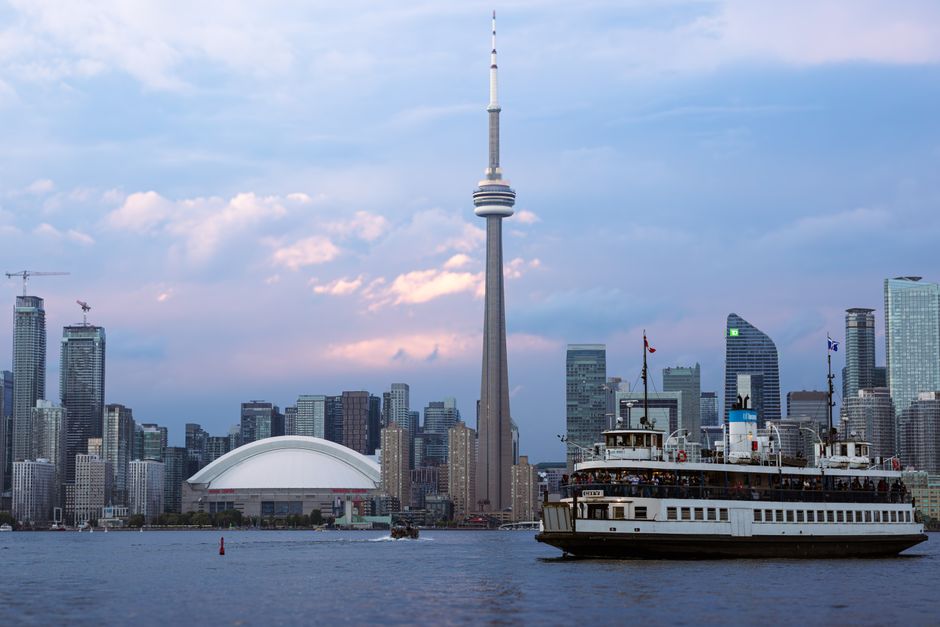
Yes, you can begin some Great Lakes cruises in Toronto, but a ship listed at Toronto’s cruise terminal may only be making a port call. Toronto-based itineraries are generally on smaller expedition ships and include routes through the Great Lakes; ocean-cruise choices from Montreal include a wider range of ship sizes and destinations. Your best fit depends on the route, season, budget, and the ground trip you’re willing to add.
Can you take a cruise ship directly from Toronto?
Yes, some itineraries embark in Toronto, but a ship appearing on the Toronto schedule does not by itself mean the cruise starts there. The Toronto Port Authority describes its schedule as a list of ships arriving or docked at the Cruise Ship Terminal. Treat it as a visit schedule, then confirm the specific itinerary’s embarkation and disembarkation ports before booking.
Viking, for example, lists a Toronto-to-Milwaukee Great Lakes itinerary, as well as Toronto-to-Duluth and New York City-to-Toronto routes. That makes Toronto a genuine start or finish for some one-way voyages. The distinction matters: a port call is one stop on a trip, while an embarkation port is where your booked voyage begins.
There is a practical trade-off. A Great Lakes sailing from Toronto avoids adding a separate trip to another departure city, but it limits your choice to routes and dates that actually begin there. An ocean cruise from a farther port adds ground transport and timing to plan, but opens up other destinations and ship types.
What cruise lines sail from Toronto?
Several cruise lines have ships scheduled to visit Toronto in 2026, but the schedule should not be read as a list of voyages that all originate there. The Toronto Port Authority lists Viking, Victory Cruise Lines, Pearl Mist, and Ponant among the vessels scheduled to arrive or dock during the season.
Ship capacity helps set expectations. The listed capacities are 378 passengers for Viking’s Polaris and Octantis, 220 for Victory Cruise Lines’ ships and Pearl Mist, and 184 for Ponant’s Le Bellot. These are small vessels compared with some ships calling at Montreal, so Toronto’s Great Lakes option is a different scale of cruise experience.
Season is another decision point. Toronto’s 2026 schedule spans April through October. The City of Port Colborne, a port of call at the southern end of the Welland Canal for ships heading to or from Toronto, also describes the Great Lakes season as running from mid-April through the end of October. Compare the exact sailing dates rather than assuming every line operates throughout that window.
Where do cruises from Toronto go?
Toronto Great Lakes cruises travel to destinations around the lakes rather than setting out on an ocean itinerary. Viking’s listed destinations include Cleveland, Milwaukee, Niagara Falls, and Mackinac Island; its 8-day Niagara & the Great Lakes itinerary runs from Toronto to Milwaukee.
That itinerary is one-way, so plan the trip home as carefully as the sailing itself. A Toronto-to-Milwaukee cruise ends somewhere different from where it began; the supplied itinerary details do not specify what return travel costs or arrangements will be. Check the full booking details before deciding whether a one-way route fits your schedule.
Montreal gives you a useful comparison if your priority is a broader destination mix. The Port of Montreal says its 2026 season runs April 24 through October 31, with 17 ships from 16 cruise lines and nearly 50,000 passengers across 39 operations. It lists itineraries connected with the Great Lakes, New England, Florida, Iceland, and Germany, and four round-trip cruises departing Montreal.
Vessel capacity ranges from 184 passengers on Ponant’s Le Bellot to 1,440 on Holland America Line’s Volendam, according to the Port of Montreal. That range shows why “cruise from Toronto or Montreal?” is partly a ship-size question: Toronto’s listed ships are smaller, while Montreal’s schedule includes both small vessels and a much larger ship.
| Factor | Toronto Great Lakes option | Montreal ocean-cruise option |
|---|---|---|
| Departure detail | Some voyages start or end in Toronto; a schedule listing can also be a port call | Port calls and embarkation/disembarkation operations are both listed |
| Ship capacity in supplied data | 184–378 passengers for named scheduled ships | 184–1,440 passengers among listed 2026 ships |
| Season shown | April through October 2026 | April 24 through October 31, 2026 |
| Example itinerary | Toronto to Milwaukee, 8 days | Round trips and itineraries linked to destinations including New England, Florida, Iceland, and Germany |
| Price detail | Viking displays a starting fare of $11,299 for its listed 8-day itinerary | The supplied port information does not give cruise fares |
Use the fare figure as a starting comparison, not a like-for-like total: Viking displays a starting fare of $11,299 for the 8-day Toronto-to-Milwaukee itinerary. The supplied sources do not provide comparable prices for Montreal cruises or a full accounting of transport and other trip costs. Check current fares and booking terms for your exact dates.
How should you plan the trip to a farther departure port?
For Montreal, rail provides a straightforward connection to compare. VIA Rail lists the Toronto–Montreal journey as 538 kilometres, with an average duration of 5 hours 18 minutes and 47 departures per week. The railway notes that schedules and fares may change, so check the details for your travel date before tying the train to a cruise departure.
Build the connection around the ship’s departure time, not just the average train duration. Check the rail schedule, cruise embarkation time, and the port’s instructions together; leave enough margin that a delay does not put the sailing at risk. The supplied sources do not give current transfer times from Montreal’s station to the cruise terminal or a Toronto-to-Quebec City transport itinerary, so verify those details separately.
Make the choice with four checks: route, vessel size, season, and ground logistics. If the itinerary you want starts in Toronto and a smaller ship suits you, a Great Lakes cruise can keep the trip simple. If a wider destination range or a larger ship matters more, compare Montreal departures and include the added rail or other transport in your plan.
Frequently Asked Questions
Are Toronto cruises ocean cruises or Great Lakes cruises?
Cruises that begin in Toronto and follow the listed Toronto itineraries are Great Lakes voyages, not ocean cruises. The Toronto Port Authority schedule shows visiting ships, so a Toronto listing can also represent a port call rather than a voyage beginning there.
What is the closest port to Toronto for an ocean cruise?
The supplied sources do not establish which ocean-cruise port is geographically closest to Toronto. Montreal is a practical option to compare: the Port of Montreal lists 2026 cruises connecting with destinations including New England, Florida, Iceland, and Germany.
How do I get from Toronto to Montreal or Quebec City for a cruise?
For Montreal, VIA Rail lists a 538-kilometre Toronto–Montreal journey with an average duration of 5 hours 18 minutes and 47 departures per week; schedules and fares may change. The supplied sources do not provide a Toronto-to-Quebec City connection, so check current transport options and cruise embarkation details before booking.
Before you book, write down the embarkation port, the final port, the sailing dates, the displayed fare, and the ground connection you need. Then verify each against the cruise line and transport provider for your dates. That short check catches the key mismatch: a ship that visits Toronto is not automatically a cruise that starts there.
Sources
Keep reading
Can I Take the Alaska Railroad to Denali and Fairbanks in One Day?
Plan a 2026 Alaska Railroad trip to Denali with realistic train connections, park tour timing, overnight stays, and flight buffers.

How Can I Tell If a Visa Payment Request Is Legitimate?
Learn where to pay visa fees, how to verify official payment sites, spot suspicious agent charges, and respond if you think you were scammed.