
How Can I Tell If a Visa Payment Request Is Legitimate?
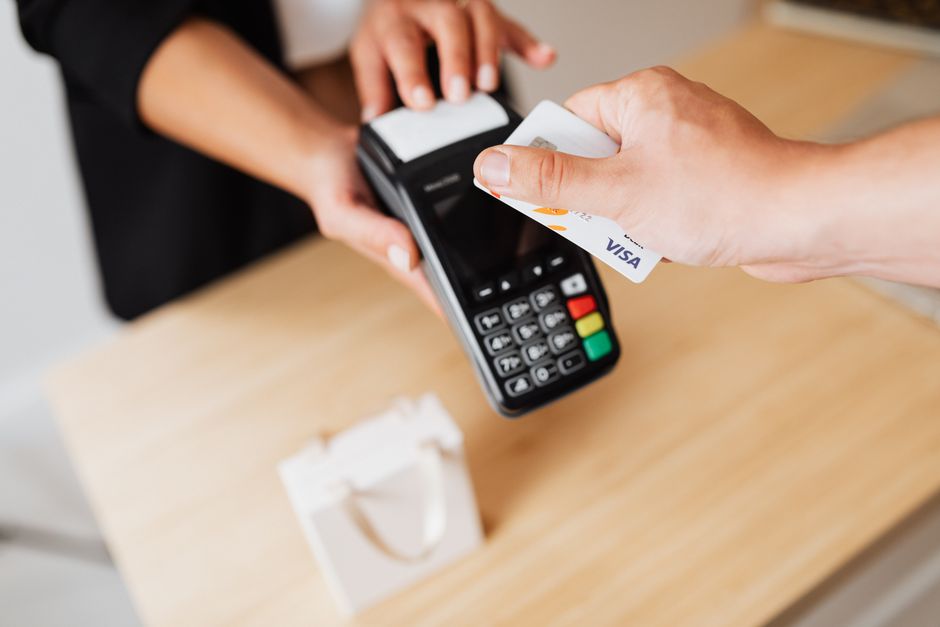
Pay visa fees only through payment instructions you reach from the destination country’s embassy or its authorized visa center. Check that the website and payment route match those official instructions, and separate required government fees from optional agent services. Treat pressure, personal-account requests, untraceable payments, and promises of guaranteed appointments or approval as warning signs; if you paid suspiciously, contact your bank or payment provider immediately.
Where should I pay the fee for my visa application?
Pay where the destination country’s embassy or authorized visa center tells you to pay. Start at the embassy’s official website, open its visa instructions for your application type, and follow the payment links and steps there. Do not rely on a search result, unsolicited message, or agent’s link as your starting point.
The correct route can vary by country and visa process. For example, the U.S. Embassy in the Philippines says applicants should initiate visa-fee payments through the designated travel.state.gov or ustraveldocs.com portals, with payment methods depending on the process. It also says the embassy never requests visa payment by email, phone, social media, or messaging app. Follow the instructions linked from the relevant embassy visa page rather than assuming another applicant’s process applies to you.
Keep the fee and the service separate. A government application fee is part of the official process; a company may also offer optional services such as help completing an application or booking an appointment. Paying for optional help does not turn that charge into a government fee. Ask for an itemized price and written confirmation of what the service covers before paying.
For the U.S. Diversity Visa process, the Department of State says fees are paid to the U.S. Embassy or consulate cashier at the scheduled appointment. It warns that payments to non-governmental sources do not go to the U.S. government or count toward visa processing, and says it will not request advance payment by check, money order, or wire transfer. Those instructions are specific to that process, so check the official instructions for your own visa category.
How can I check whether a visa payment website is official?
Check the web address and confirm the payment instructions by navigating to the destination country’s embassy site yourself. For U.S. government websites, the Department of State says official sites end in .gov and recommends reaching embassy and consulate websites through usembassy.gov. The U.S. Embassy in the Philippines likewise advises applicants to follow payment steps on its own website.
A familiar-looking logo or a professional design is not enough to establish that a site is authorized. Compare its address with the link from the embassy page, and verify the payment method and recipient against the official instructions. If a message gives you a link or a new account number, close it and independently return to the embassy website to check.
Use this quick check before sending money:
- Find the official starting point. Type the embassy’s published address or use the government’s official directory. For UK visas, GOV.UK says official UK government websites end in .gov.uk.
- Follow the visa-specific route. Confirm that the embassy page links to the visa center or payment portal named in its instructions.
- Match the payment details. Check the fee, recipient, and payment method on the official page. If any detail differs, pause and verify through the embassy’s published contact channel.
- Keep your proof. Save the receipt, confirmation, and any reference number. The U.S. Embassy in Costa Rica warns that third parties have used applicants’ visa-fee payments, leaving applicants unable to use their appointments; it advises applicants to pay themselves and protect the receipt and its unique sequence number.
A payment request becomes especially suspect when it asks you to send money to an individual’s bank account, pay in cash or another hard-to-trace way, act immediately, or keep the transaction secret. GOV.UK identifies these as warning signs, alongside claims that an agent can guarantee a visa or speed up the process. The U.S. Mission to the UAE also warns against threats and guarantees: visa decisions are based on each application, not third-party intervention.
Is it normal for an agent to charge extra to book a visa appointment?
An agent can charge for optional assistance, but an extra charge does not automatically make that service part of the official visa fee. Before agreeing, check the embassy’s instructions to see whether the appointment system requires a paid intermediary. The U.S. Mission to the UAE says some companies offer appointment booking or application help, but the official system does not require applicants to pay an agent or facilitator for those services.
Ask the provider to state, in writing, what it will do, what the charge covers, and whether the fee is refundable. Then compare that offer with the official process. If you choose help, keep control of the application and its information: the U.S. Embassy in Costa Rica advises applicants to research third-party providers before handing over money or personal information and reminds them that they remain responsible for information in their applications.
Use a clear boundary when a seller blurs the line between optional service and government requirement: “Please show me the embassy page that requires this charge and identifies your company as the authorized recipient.” If the seller cannot point to that official instruction, do not treat the fee as mandatory. The U.S. Department of State also says private consultants cannot improve an applicant’s chance of selection or provide a visa.
Be particularly cautious about guaranteed appointments or approvals. A seller may describe a paid service as a shortcut, but a promise is not proof of official access. The U.S. Mission to the UAE warns that some unauthorized companies threaten applicants or guarantee visa issuance; the decision remains based on the merits of the application.
Frequently Asked Questions
Should I pay someone who promises to get me a visa appointment?
Treat a guaranteed appointment as a warning sign and verify the booking process through the embassy or authorized visa center. An agent may offer optional administrative help, but that does not make the agent part of the official process or give it power to guarantee visa approval. Pay only after checking the official instructions and understanding exactly what the service covers.
What should I do if I paid a visa application fee to a scammer?
Contact your bank, card issuer, wire service, or payment app immediately and ask whether the transaction can be reversed or refunded. The Federal Trade Commission recommends acting quickly; keep receipts and messages, and report a U.S. scam at ReportFraud.ftc.gov. If you are overseas, follow the embassy’s guidance and report the incident to local authorities; the U.S. Embassy in Costa Rica advises victims to report visa fraud to local police before contacting the Embassy.
Sources
Keep reading

Can You Cruise From Toronto, or Do You Need to Sail From Another Port?
Compare Toronto Great Lakes cruises with ocean sailings from Montreal: routes, ship sizes, season, fares, and transport connections.

Can I Take the Alaska Railroad to Denali and Fairbanks in One Day?
Plan a 2026 Alaska Railroad trip to Denali with realistic train connections, park tour timing, overnight stays, and flight buffers.